Patrice, we’re thrilled to have you with us today. Before we jump into your intro and the heart of the interview, let’s start with a bit of an ice breaker: Have any recent moments made you laugh or feel proud?
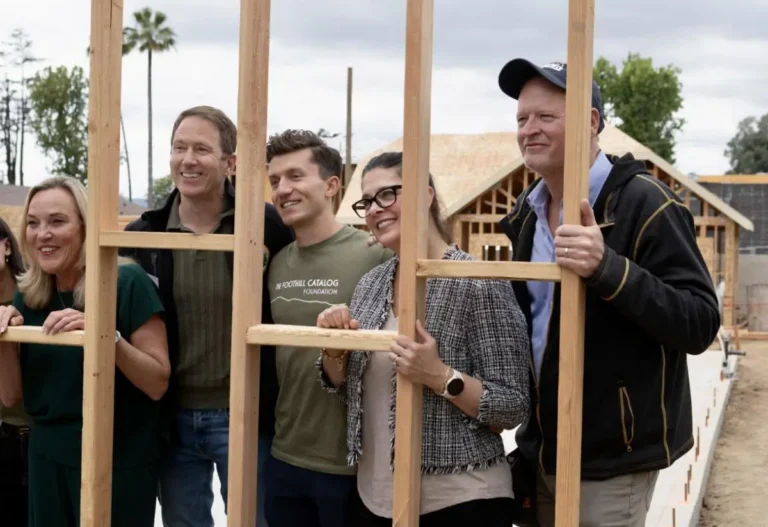
One of the most meaningful and profoundly moving moments for me recently was last year, when I had the privilege of organizing a Ribbon Cutting ceremony. This was no ordinary event; it was a deeply personal and symbolic milestone for a family who had tragically lost their home in the devastating Eaton Wildfires. The Ribbon Cutting was specifically held to signify their courageous decision to move forward and officially begin the rebuilding process of their home and their lives.
The outpouring of support was truly overwhelming and a testament to the strength of community. The event was incredibly well-attended, drawing a large crowd that included not only close friends and neighbors but also colleagues from work and, most importantly, multiple generations of their family. To witness such a collective display of solidarity and hope was inspiring.
What made the moment so particularly special for me was the personal connection. This family is not just a client or an acquaintance; they are like family to me. To see them standing there—the parents, their children, their own parents, and even the great-grandmother—all together, celebrating the very beginning of their arduous but hopeful rebuilding journey, filled me with an intense sense of pride and emotional fulfillment. It was a powerful reminder that even after immense loss, the spirit of family, community, and resilience can prevail. Seeing their faces light up as they symbolically cut the ribbon was a moment I will never forget.
Can you briefly introduce yourself and share what makes you or your brand unique?
My name is Patrice Quishenberry, and I proudly serve as the Vice President of Williams Rebuild. My deep connection to this community is personal and long-standing. My parents originally purchased our family home in Altadena nearly 52 years ago, and my father still lives there today. Furthermore, my husband was also raised in Altadena, and together we chose this community to purchase our first home and raise our son. This long-standing, multigenerational connection gives me a unique appreciation for the community we serve.
Professionally, I am a licensed Real Estate Agent with a career spanning nearly 35 years. I have spent the majority of that time specializing in New Home Sales and Management, which has provided me with an intimate understanding of the home-building process and the needs of homeowners.
For a little over a decade, I have had the great pleasure of working for the Williams Family. I have immense trust in their values and a profound belief in the company’s philosophy of service and quality.
Williams Rebuild was established as a direct, compassionate, and expert response to the widespread wildfire devastation that has tragically impacted communities and neighborhoods across Southern California. Our foundation is incredibly strong: we are backed by the nearly 30 years of exceptional home-building experience of our sister company, Williams Homes.
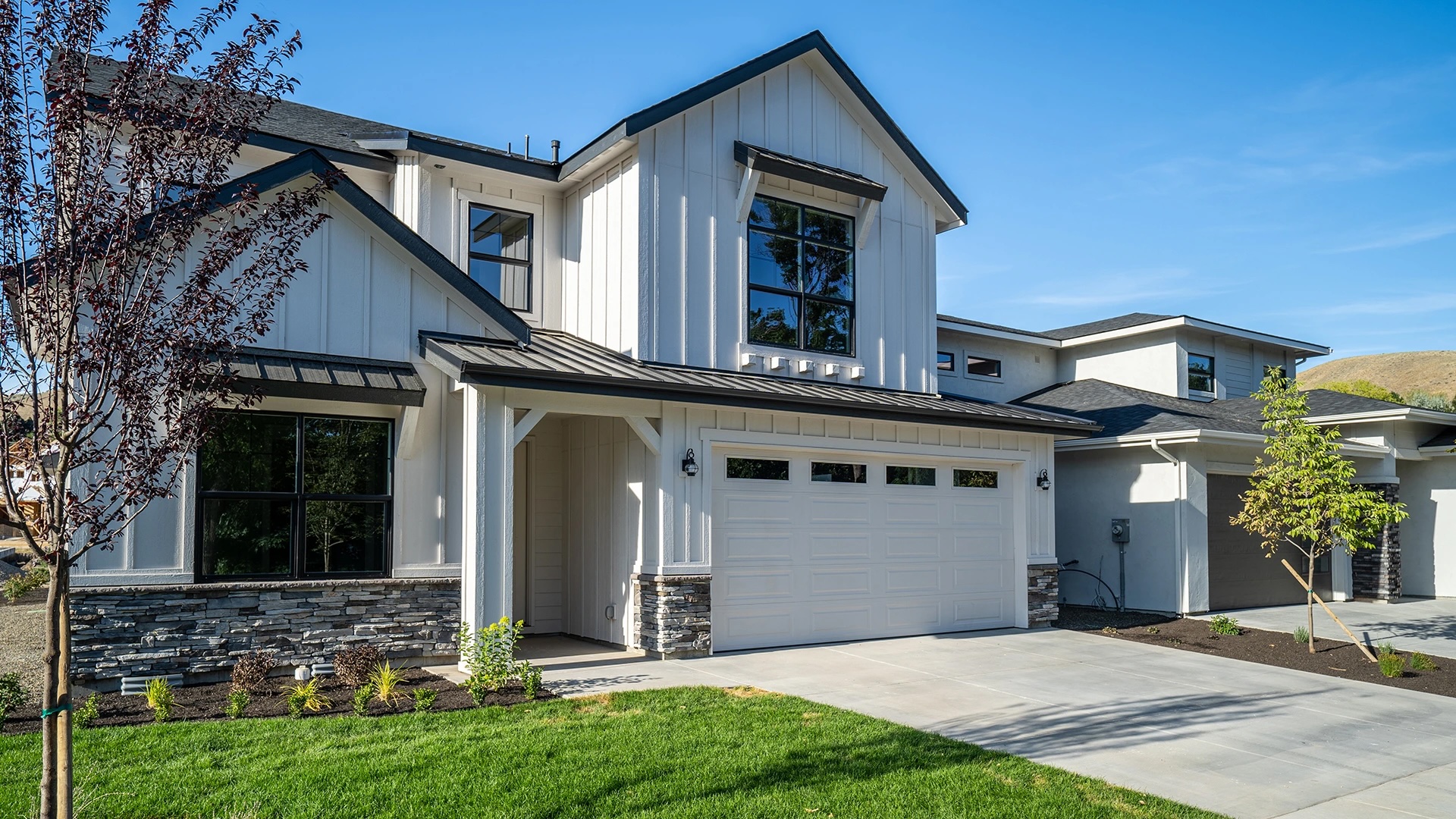
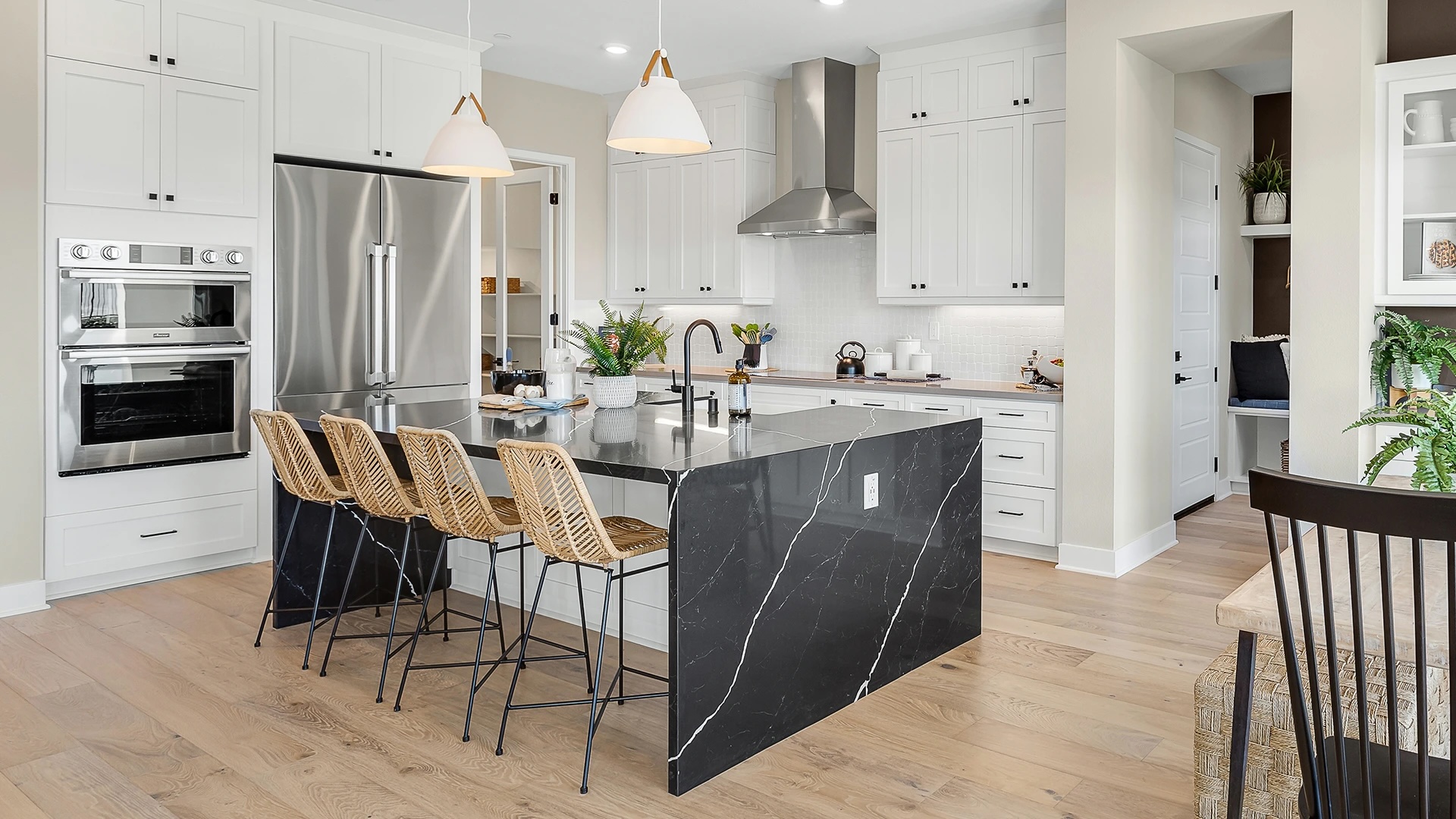
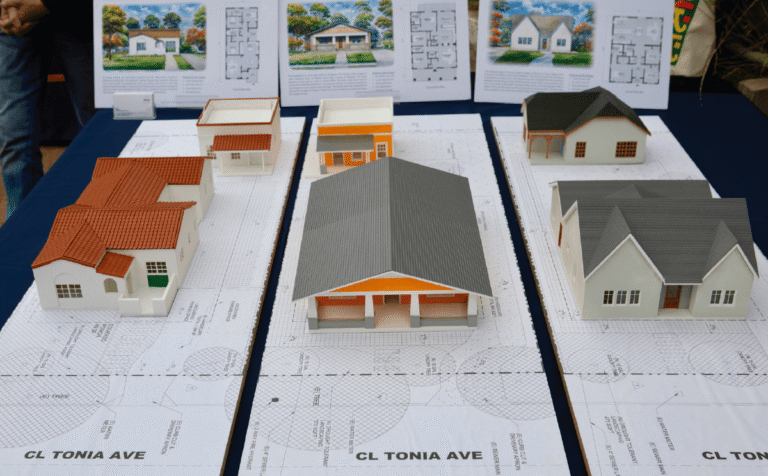
What truly makes Williams Rebuild unique is our comprehensive, family-centered rebuilding model. We are structured to be an all-in-one, concierge-style, one-stop shop for disaster recovery. This means that we bring the entire complex process—design consultation, permitting and regulatory navigation, high-quality construction, and continuous client guidance—together under one roof. Our primary focus is on meeting people where they are in the emotionally and financially challenging rebuild journey and guiding them every step of the way.
We understand that we are doing more than simply putting up new walls; we are helping to preserve the essential fabric of communities. We are not just rebuilding houses; we are dedicated to helping our clients re-establish their legacy, culture, and community in places like my hometown of Altadena and neighboring Pasadena, where many folks, just like my family, have deep, multigenerational roots. Our goal is to make the rebuilding process as seamless, stress-free, and successful as possible, ensuring that families can return to the life they loved in the neighborhood they cherish.
Okay, so here’s a deep one: What’s a moment that really shaped how you see the world?
The moment that indelibly shaped my perspective on the world was an experience rooted in profound devastation, yet ultimately illuminated by an extraordinary display of human resilience and unity. It was the process of having to evacuate my own father and his neighbors as a terrifying wildfire encroached. The air was thick with the visceral anxiety of immediate danger; which none of us had ever experienced. Simultaneously, my husband was rushing off in the direction of the wildfires to help evacuate the disabled father of one of his Fraternity brothers, a man who desperately needed assistance to escape the advancing flames.
My own terror was compounded as I listened to a dear woman, whom I consider my Aunt, share her harrowing experience. She and her husband live in the Kinneloa Estates area, and her voice over the phone was trembling as they were evacuating the home due to the flames. Driving through the city during the peak of the event felt surreal and apocalyptic. Power lines had been downed by the intense winds, embers were in the air and the entire landscape was obscured by smoke.
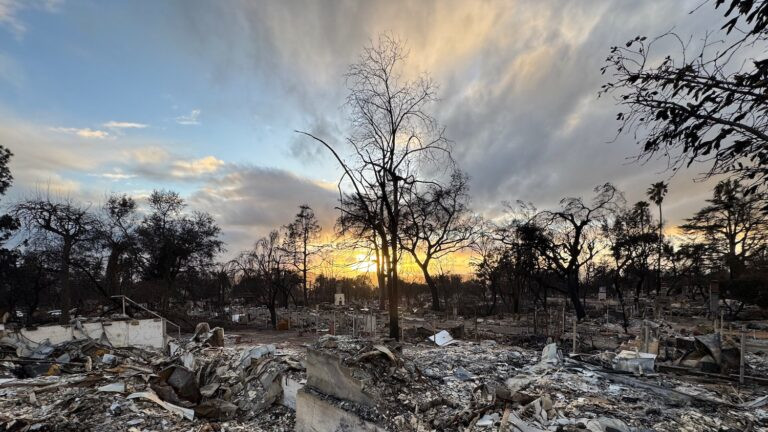
Waking up the next morning to black skies and the most horrific news imaginable—news that the fire had consumed entire sections of our community. I remember listening to my husband’s voice on the phone as he drove through the neighborhood of Altadena at 5:00 am on January 8th, documenting the destruction. He just repeated over and over with a hollow finality: “It is gone.”
He would drive by a community landmark, a cherished public building, and say, “It is gone.” He drove by the house he grew up in, a physical repository of his childhood memories, and confirmed, “It is gone.” He then drove through other neighborhoods, streets like the one where we had raised our own son, and the reports became even more devastating: “It is gone. The entire street is gone.” The sheer scale of the loss—not just of structures, but of history, stability, and countless personal possessions—was overwhelming.
Yet, what truly shaped me and redefined how I see the world was not the witnessing of the devastation, but the reliance and the profound sense of community, family, and togetherness that immediately followed. In the wake of the loss, an incredible tapestry of human connection emerged. Neighbors—some who had barely spoken before—were suddenly supporting neighbors with a fierce, protective solidarity. Church families mobilized, crossing denominational lines to offer aid, shelter, and comfort to other Church Families whose congregations had been displaced or damaged.
It was this response—this innate determination of families to stay rooted, to rebuild, and to protect one another—that reinforced a core belief in my soul: community identity is a sacred entity, worth protecting and fighting for at all costs. The material losses were heartbreaking, but the spiritual and social infrastructure of the community is proving to be unbreakable.
This event fundamentally changed how I define “home.” It is no longer just a physical structure—walls, a roof, and an address. Home is stability, it is shared history, it is a true sense of belonging, and most importantly, it is the network of people who show up for you when the very foundation of your life has been reduced to ash.
When did you last change your mind about something important?
In the immediate aftermath of the devastating LA Fires, my initial, driving belief was that speed was the absolute most important factor. As a key builder and contributor in the community, I felt an intense obligation to mobilize our resources with lightning-fast efficiency to be in a position to immediately assist the hundreds of families whose lives had been upended. The urgency felt paramount—every second counted when people had lost everything.
However, as the dust literally and figuratively began to settle, I began engaging directly with those impacted by the disaster, many of whom were my family and friends. I very quickly realized that while speed in initial response is vital, the most important and ultimately sustaining aspect of recovery is not a singular, uniform pace, but rather the deeply human principle of meeting people where they are. I learned that recovery from a traumatic event of this scale does not, and cannot, operate on a single, standardized timeline. Every family, every individual, had a unique set of emotional, logistical, and financial challenges, dictating a highly personal path and pace for rebuilding their lives. Our role shifted from simply “building fast” to listening intently, providing tailored support, and being a truly empathetic partner throughout their diverse, non-linear journeys back to normalcy.
I think our readers would appreciate hearing more about your values and what you think matters in life and career, etc. So our next question is along those lines. What’s a cultural value you protect at all costs?
My absolute priority is protecting family and community. The LA wildfires threatened more than homes; they threatened the continuity of neighborhoods with rich history and cultural depth. It is deeply important to me to offer my expertise and support to ensure families have the necessary information to make well-informed decisions about their future path.
My commitment to public service is profoundly rooted in my absolute priority of protecting family and community. This conviction has been recently amplified by the devastating LA wildfires, which represented a critical existential threat. These fires jeopardized far more than just physical homes; they threatened the very continuity of vibrant neighborhoods, many of which possess rich, irreplaceable history and cultural depth built over generations. The true catastrophe lies in the potential dissolution of these established social fabrics.
For this reason, it is deeply important to me—not just as a professional, but as a concerned member of the community—to offer my specialized expertise and unwavering support in the recovery and rebuilding process. My primary goal is to ensure that affected families and residents have timely, accurate, and comprehensive information. This empowerment is crucial for them to make truly well-informed, strategic decisions about their future path, whether that involves rebuilding on their current land, relocating, or navigating complex insurance and government assistance programs. Providing this clarity and guidance is a fundamental step toward restoring stability, preserving community bonds, and ultimately, ensuring that these neighborhoods can not only recover but thrive again.
Before we go, we’d love to hear your thoughts on some longer-run, legacy type questions. What do you understand deeply that most people don’t?
I understand that disaster recovery is layered. It’s grief, paperwork, insurance calls, design decisions, and it is all happening at once.
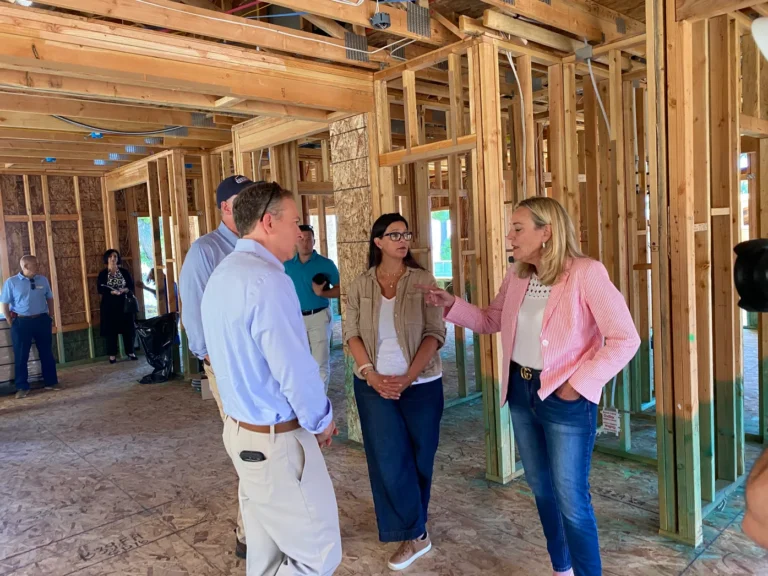
Most people see the rebuilding phase and think it is about construction. But it’s really about helping families feel steady again. The first step is emotional. The plans and permits follow. And what I’ve learned over the past year since the LA fires is that hope returns quietly through small milestones. A cleared lot. Finalizing design decisions. Approved plans. A framed wall. Those are moments that matter more than people realize.
Look, what I really get—and what a lot of people miss—is how totally complex disaster recovery is.
Most folks just think rebuilding means hammers and nails. But it’s way bigger and much more emotional than that. It’s this crazy mix of feeling grief, dealing with annoying red tape like paperwork and insurance calls, and making huge design choices—all at the same time.
The real point of recovery is helping families feel stable again. The absolute first move has to be emotional support; the blueprints and permits come after that.
My work since the LA fires showed me that hope sneaks back in quietly. It shows up in a string of small, but super important wins: a cleared lot, the nod on a design, final plan approval, and seeing that first wall framed. These little steps forward mean more to people than you can imagine.